AI Campus Security: What Higher Education Should Evaluate
A university evaluating an AI campus security platform is not short of vendors willing to demonstrate one. What it is short of is a way to tell them apart, because the differences that matter do not appear on a feature list. They come from how a campus actually operates: open by design, an adult population that is anonymous by right, an estate spread across dozens of buildings, and one small sworn force answering calls around the clock.
This guide turns those conditions into six criteria you can drop straight into a requirements document, gives you a six-row scorecard to compare vendors side by side, and reads one higher education deployment, University of Northwestern - St. Paul, against all six, including the point where its evidence stops.
What you will learn:
- Why a campus is a different security problem than a corporate site, not simply a bigger one
- The six criteria to hold any AI campus security platform to, each written as an RFP-ready question
- How to tell an architectural privacy answer from a procedural one, and why it matters on an open campus
- Which threat signatures prevent an incident versus merely respond faster once one is underway
- What good looks like for alert fidelity, field operation without a SOC, and validated scale
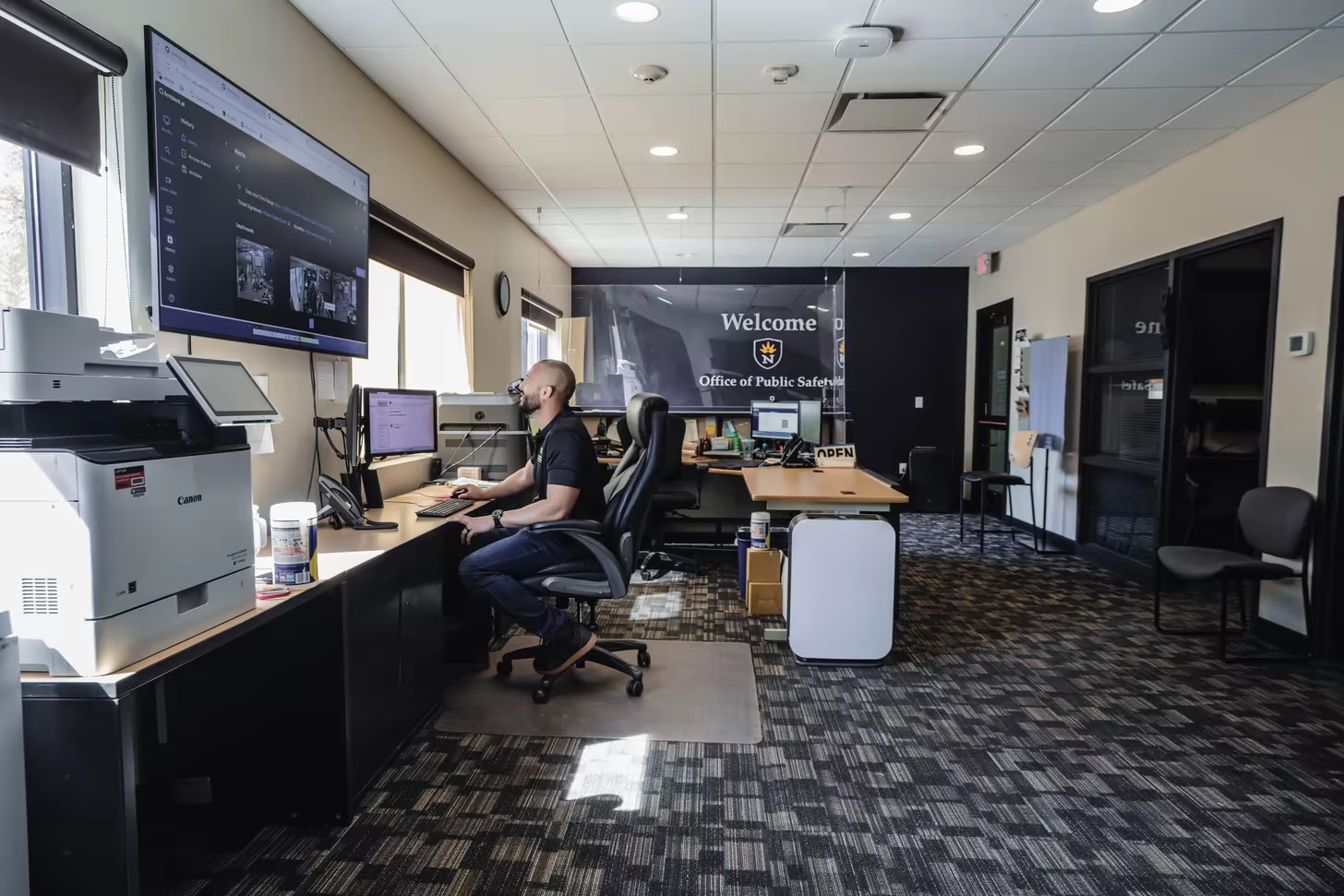
- How University of Northwestern - St. Paul rebuilt campus safety on their cameras and one patrol officer, without adding headcount