How AI Gunshot Detection Works & Why Pre-Incident Signs Matter
.webp)

90%+ alerts resolved in under a minute. See how.
Gunshot detection systems generally use two distinct approaches to detecting firearms. They use acoustic systems to detect gunfire sounds after shots are fired and visual AI gun detection systems to identify weapons before the violence occurs.
Schools, corporate facilities, and public venues deploy visual AI detection to improve campus safety and enable faster emergency response. The technology works by training neural networks to recognize weapon signatures and suspicious behaviors. The system then cross-references visual data with access control information to verify genuine threats.
The critical difference between acoustic sensors and visual AI gun detection lies in timing. Acoustic detection responds after violence has begun. Microphones detect gunshots, algorithms confirm the sounds, and alerts reach security teams.
Visual AI gun detection, on the other hand, identifies threats as soon as a gun is visible. Cameras spot weapons or suspicious behavior, algorithms verify the threat, and security teams receive alerts before any shots are fired.
More importantly, next-generation vision models surface pre-incident indicators even when weapons aren’t directly visible. These AI visual weapon detection systems read body language and behavioral patterns, like aggressive movements or people suddenly running, taking cover, or falling, that could suggest that a firearm is present.
This capability expands response windows from moments after violence begins to minutes before it starts.
The evolution from reaction to prevention fundamentally reshapes how security operations protect lives and property.
How AI Gunshot Detection Works
Security teams need weapons detection systems that can rapidly identify firearms so they can respond to threats before violence escalates.
Gunshot and AI gun detection systems provide two complementary approaches for weapon identification. Acoustic sensors detect gunshot sounds after discharge, while visual AI recognizes weapons in camera feeds before they are fired.
Acoustic Detection Systems
Acoustic gunshot detection systems use networks of microphones strategically placed throughout monitored areas to identify the distinctive sound signatures of firearms. The technology works through several key components:
- Sound Capture: Sensors capture both muzzle blast and supersonic ballistic shockwaves when weapons discharge
- Audio Processing: Systems digitize audio waveforms and extract frequency characteristics in the 200-1,500 Hz range with durations of 3-5 milliseconds
- Pattern Recognition: Machine learning models trained on thousands of gunshot samples distinguish gunfire from environmental sounds like fireworks, backfiring vehicles, or construction noise
- Location Triangulation: Time-difference-of-arrival calculations between multiple sensors pinpoint source location within 2-25 meters accuracy
- Alert Integration: Systems automatically notify security teams and law enforcement when gunfire is detected
Acoustic detection helps police respond faster and provides useful evidence after incidents occur. But these systems can't prevent violence because they only work after someone has already pulled the trigger.
Visual AI Weapon Detection Systems
Visual AI gun detection analyzes video feeds from security cameras to identify weapons before they are fired, making them proactive and preventative rather than reactive.
The technology operates through several key capabilities:
- Computer Vision Analysis: Deep neural networks process video frames in real time, scanning for weapon shapes, aggressive postures, and concerning behaviors
- Pattern Recognition: Algorithms trained on extensive datasets recognize visual geometry and characteristics of firearms, knives, and other weapons
- Contextual Verification: AI cross-references detections with location, time, and authorized personnel data to reduce false alerts
- Real-Time Processing: Systems analyze existing camera feeds without requiring additional hardware infrastructure
- VMS Integration: Technology integrates seamlessly with existing video management systems and camera infrastructure
Visual AI detection provides security teams with critical intervention time by identifying threats at first sight of weapons rather than waiting for gunfire sounds. This proactive approach creates opportunities for prevention and de-escalation before violence occurs.
Modern systems give security teams even more time to prevent violence by reading contextual cues, in addition to detecting weapons when they appear. When people suddenly run from an area, take cover, or exhibit distress, a next-generation AI weapon detection system can detect a weapon even when there isn't a weapon visible.
The Limitations of Reactive Gunshot Detection Systems
While both acoustic and visual detection technologies serve important roles in security operations, traditional reactive approaches face constraints that limit their effectiveness in preventing violence.
Understanding these limitations helps security teams evaluate their current capabilities and identify opportunities for more proactive threat prevention strategies.
Response Time Constraints : Acoustic gunshot detection fundamentally operates after a gun has been fired. Even with rapid processing and notification, the critical window for preventing harm has passed once shots are fired. This reactive approach limits intervention options to response and damage control rather than prevention.
Environmental Challenges and Accuracy : Acoustic systems face ongoing challenges in distinguishing gunfire from similar environmental sounds in complex urban environments. Factors including weather, background noise, and acoustic reflections can impact detection reliability. Dense environments with constant activity create particular challenges for consistent accuracy.
Privacy and Surveillance Concerns : Acoustic detection systems require continuous audio monitoring in public and private spaces, raising privacy considerations for organizations and communities. Voice recordings constitute personally identifiable information under regulations like GDPR and CCPA, creating compliance complexities for deployment.
How Visual AI Gun Detection Enables Pre-Incident Response
Visual AI gun detection transforms security from reactive to proactive by identifying threats before violence occurs. Prevention should start before shots are fired, with models trained on over 150 threat signatures that recognize patterns such as loitering near an entrance, a brief flash of a handgun grip, or an agitated gait that telegraphs intent.
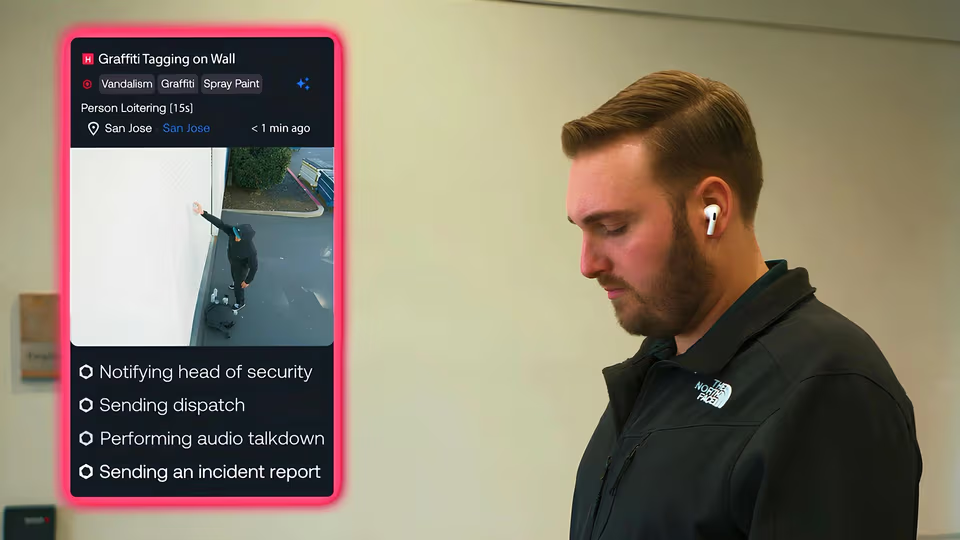
This early identification provides security teams with critical intervention time. When a weapon appears in camera feeds, AI algorithms instantly analyze the context, verify the threat, and alert appropriate personnel. Security teams can initiate lockdown procedures, dispatch responders, and coordinate interventions while the threat remains in a pre-incident phase.
The contextual analysis capability distinguishes between authorized and unauthorized weapon presence, differentiating between security personnel and potential threats based on location, access credentials, and situational context. This intelligence reduces false alarms while maintaining high sensitivity to genuine threats.
Visual AI systems create opportunities for de-escalation, intervention, and prevention by detecting concerning behaviors and visible weapons before discharge.
Real-World Applications & Outcomes
AI-driven detection cuts false alarms and gives security teams critical minutes across schools, corporate campuses, and industrial sites. The operational relief means fewer false alarms, quicker decision loops, and more time to protect people before chaos escalates.
In other words, campus safety staff can run lockdown drills without needing to clear nuisance alerts from microphone arrays. K-12 districts using visual detection get faster door-secures because cameras flag weapons before shots are fired. Operators receive clipped video and live location tracking instead of scrubbing hours of footage for suspects.
AI gun detection platforms identify weapons the moment they appear on camera sending geo-tagged alerts to radios carried by floor supervisors. Teams move straight to the right bay instead of sweeping massive facilities for unknown threats and responding to incidents after the damage is done.
Beyond Reactive Security
The shift from gunshot detection to pre-incident threat recognition is a fundamental change in how security teams protect people and property. While acoustic detection provides valuable evidence and rapid response after violence begins, visual AI opens intervention windows that can prevent tragedy altogether.
Security operations built around preventing incidents rather than merely responding to them create safer environments for everyone. When teams can identify threats minutes before violence starts, they gain the time needed for evacuation, de-escalation, and coordinated response.
This proactive approach transforms security from a cost center focused on reaction into a strategic asset designed for prevention.
Schedule a demo to see how AI gun detection can enhance your security operations.