Navigating the New Landscape of Healthcare Safety: A Guide to California's AB 2975


10x faster response. Same cameras. Same team.
The hallways of our healthcare institutions should be sanctuaries of healing and recovery. Yet, for too many frontline workers, they have become environments of apprehension and risk. The statistics are stark: healthcare workers are five times more likely to experience workplace violence than employees in any other industry. This isn't just a number; it's a daily reality for the nurses, doctors, and support staff dedicated to our care.
In response to this growing crisis, California legislators have taken action. Building on the momentum of previous workplace safety laws like SB 553, the state has introduced Assembly Bill 2975, a piece of legislation aimed specifically at enhancing protections for hospital employees.
For healthcare leaders, this bill represents a critical juncture. It's not just a new set of compliance requirements to be checked off a list. It is a catalyst for reevaluating and upgrading your facility's physical security posture. At Ambient.ai, we see this as an opportunity for healthcare organizations to move beyond reactive measures and embrace a proactive, intelligent approach to safety.
Decoding AB 2975: What Healthcare Facilities Need to Know
AB 2975, introduced in early 2024, amends existing labor codes to provide more robust and specific safety requirements for public and private hospitals. While all organizations in California are adapting to new workplace violence prevention standards, this bill sharpens the focus on the unique challenges within healthcare.
Key mandates of the proposed legislation include:
- Workplace Violence Prevention Plan (WVPP): Hospitals must develop, implement, and maintain a comprehensive WVPP. This is not a one-size-fits-all document. It must be tailored to the specific risks and conditions of each facility and unit, with active involvement from employees.
- Violent Incident Log: Detailed and meticulous recordkeeping is no longer optional. Facilities will be required to maintain a log of every incident of workplace violence, including the date, time, location, type of violence, and a detailed description of the event.
- Mandatory Training: Annual training on workplace violence prevention is required for all employees. This includes recognizing potential threats, de-escalation techniques, and emergency procedures.
- Enhanced Recordkeeping: All records related to the WVPP, incident logs, and training must be maintained for a minimum of five years.
The message from Sacramento is clear: the status quo is not enough. Hospitals must be able to demonstrate a proactive and well-documented commitment to protecting their staff.
A Roadmap to Compliance and Proactive Security
Meeting the requirements of AB 2975 requires a multi-faceted strategy that integrates policy, people, and technology. Here's a roadmap for elevating your security posture:
- Conduct a Comprehensive Site-Specific Risk Assessment: Before you can protect your facility, you must understand its vulnerabilities. Go beyond the obvious. Analyze patient intake areas, emergency departments, waiting rooms, parking structures, and behavioral health units. Where are the blind spots? When are staff most isolated? This assessment is the bedrock of your WVPP.
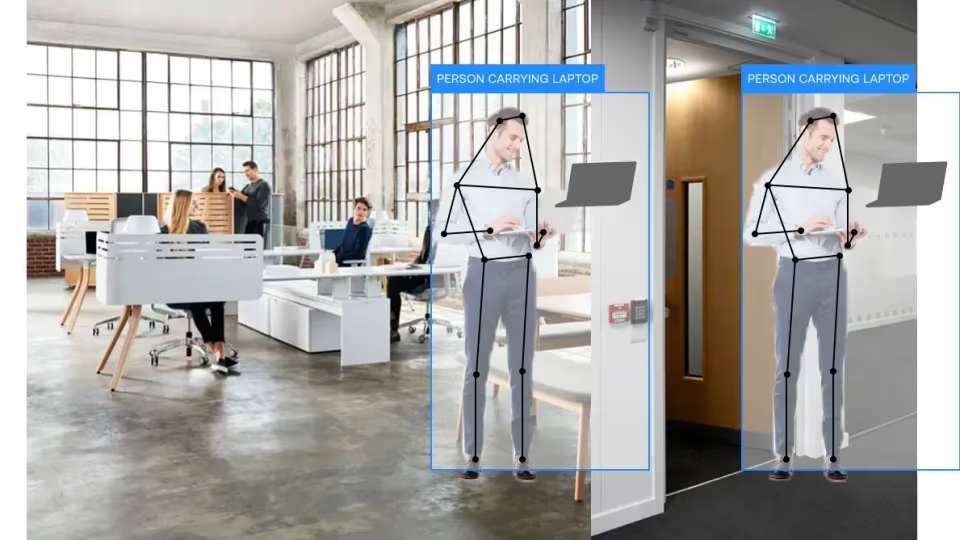
- Modernize Physical Security Infrastructure: Traditional security systems like access control and panic buttons are essential, but they are fundamentally reactive. They alert you after an event has already begun. To truly get ahead of threats, organizations must leverage proactive technologies. This is where computer vision intelligence comes in. Imagine a system that can:
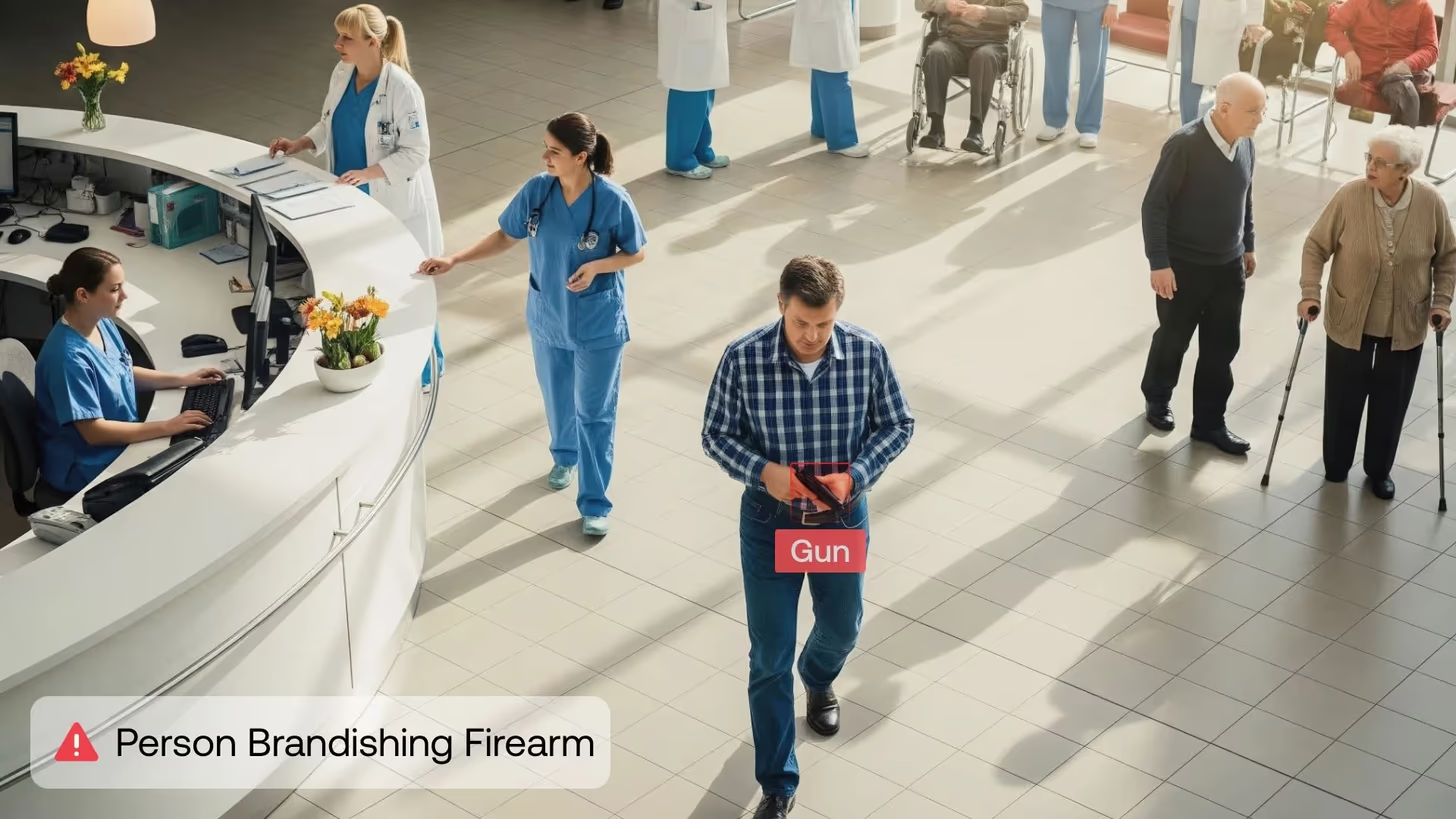
- Detect a brandished weapon in a waiting room in near real-time.
- Identify unauthorized entry into a secure area like a pharmacy or nursery.
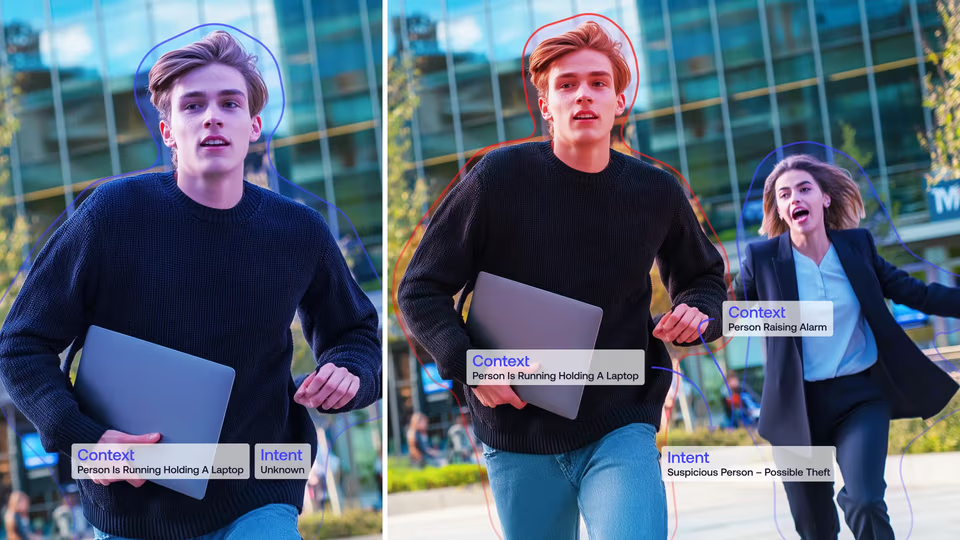
- Recognize the behavioral precursors to aggression, such as agitated movements or loitering in sensitive areas, allowing for early intervention.
- Empower Staff with Better Tools and Training: Your on-site security staff is your first line of defense. The training mandated by AB 2975 should be dynamic and scenario-based. However, training alone can be undermined by alert fatigue and inefficient response protocols. Empower your security operations center (SOC) and on-site personnel with high-fidelity alerts. Instead of watching dozens of screens, they can be guided by intelligent systems that surface only the events that require their attention, complete with real-time video context. This transforms their role from passive monitoring to active, intelligence-led response.
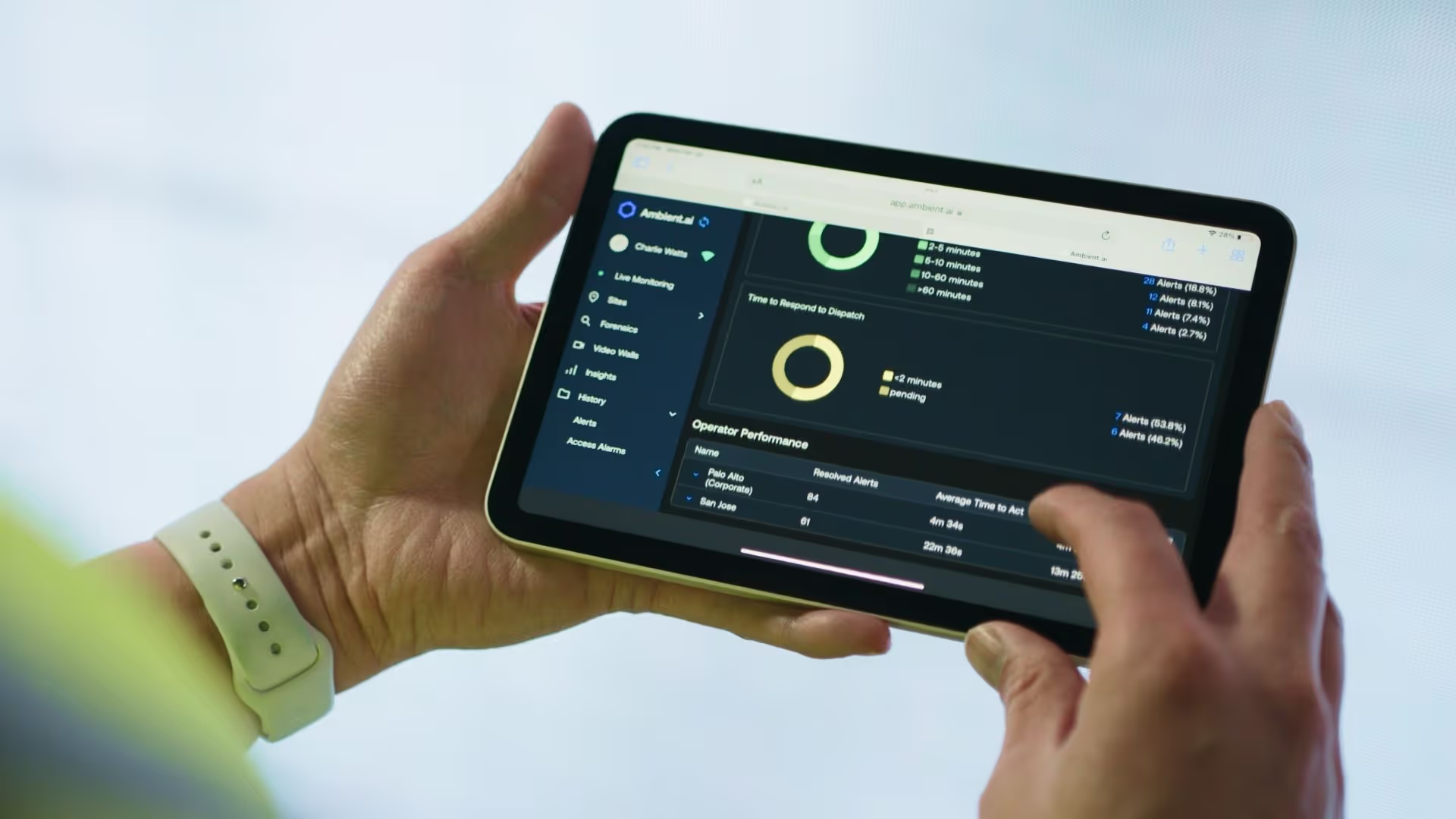
- Streamline Documentation and Incident Reporting: The "Violent Incident Log" required by the bill can be a significant administrative burden. Relying on manual entry and subjective witness accounts can lead to incomplete or inconsistent data. An intelligent security platform can automate much of this process. When a potential threat is detected, the event is automatically logged with time stamps and corresponding video evidence. This creates an objective, searchable, and easily exportable record, ensuring not only compliance but also providing invaluable data for post-incident analysis and future prevention efforts.
The Ambient.ai Advantage: From Compliance to True Safety
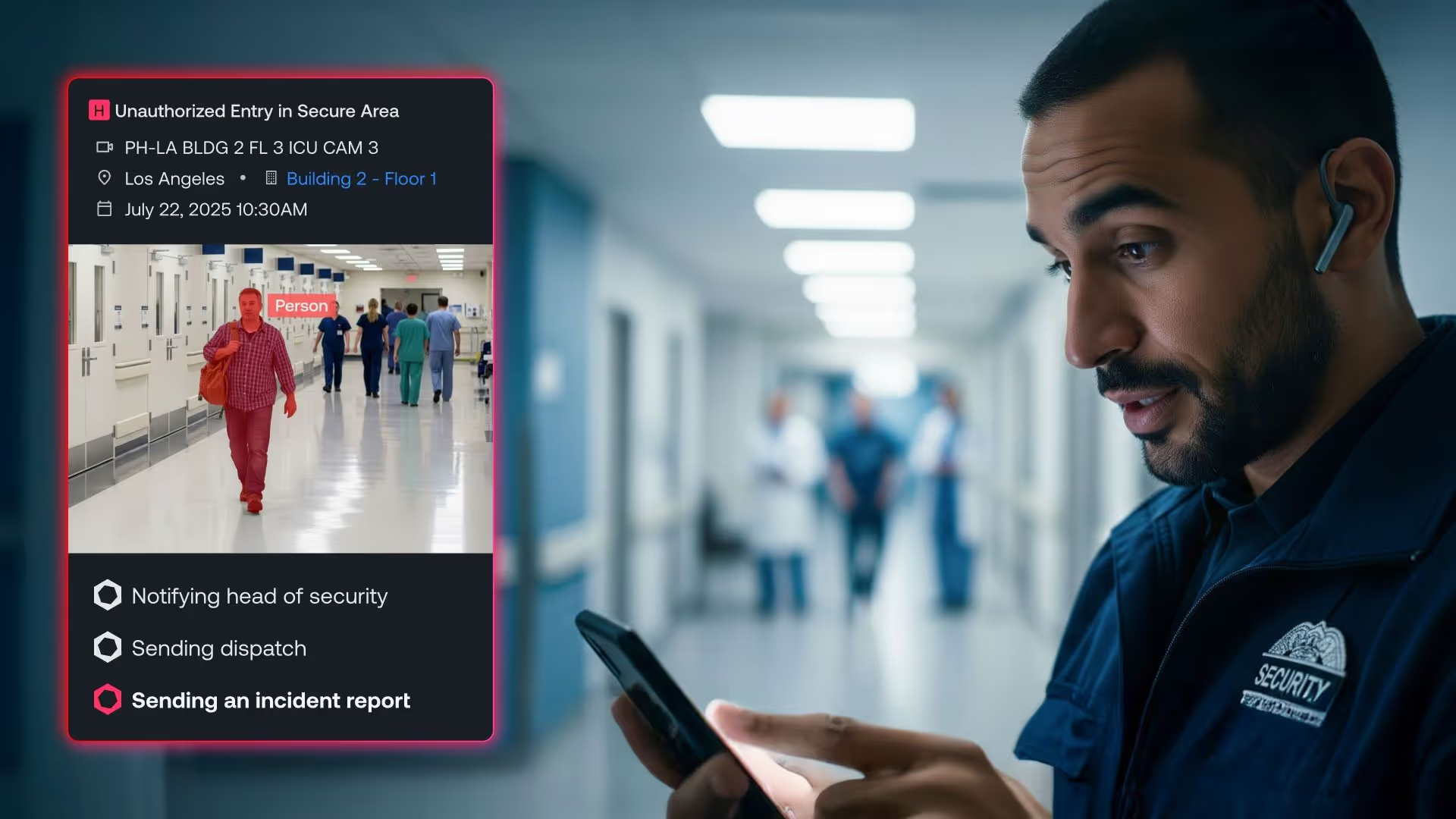
AB 2975 and the broader legislative trend it represents are pushing healthcare security into the 21st century. At Ambient.ai, we provide the technology to meet this moment.
Our Agentic AI for physical security platform, powered by advanced computer vision and frontier large vision-language models (VLMs), integrates with your existing security infrastructure. This not only transforms your cameras into a centralized system of intelligence but also provides a proactive layer of security by augmenting human SOC operators that address the core challenges highlighted by AB 2975:
- Enhanced Situational Awareness: We deliver contextual alerts directly to your team, providing them with the real-time intelligence needed to make informed decisions quickly and safely.
- Proactive Threat Detection: Our AI-powered platform identifies over 150 safety and security threats, from brandished weapons and forced entry to early signs of distress, enabling your team to intervene before a situation escalates.
- Drastically Reduced False Alarms: With a 95%+ reduction in false alarm rates, we ensure your security team focuses only on what matters, preventing alert fatigue and improving response effectiveness.
- Automated Incident Forensics: Our platform helps build the objective, data-rich "Violent Incident Log" required for compliance, saving hundreds of hours in manual investigation and reporting.
The new era of healthcare safety demands more than just compliance. It requires a commitment to creating an environment where caregivers feel secure, and patients can heal in peace. California's AB 2975 is not the finish line; it's the starting block.