Shifting “Observe and Report” to “Interpret and Act”


It's not a people problem. It's a systems problem.
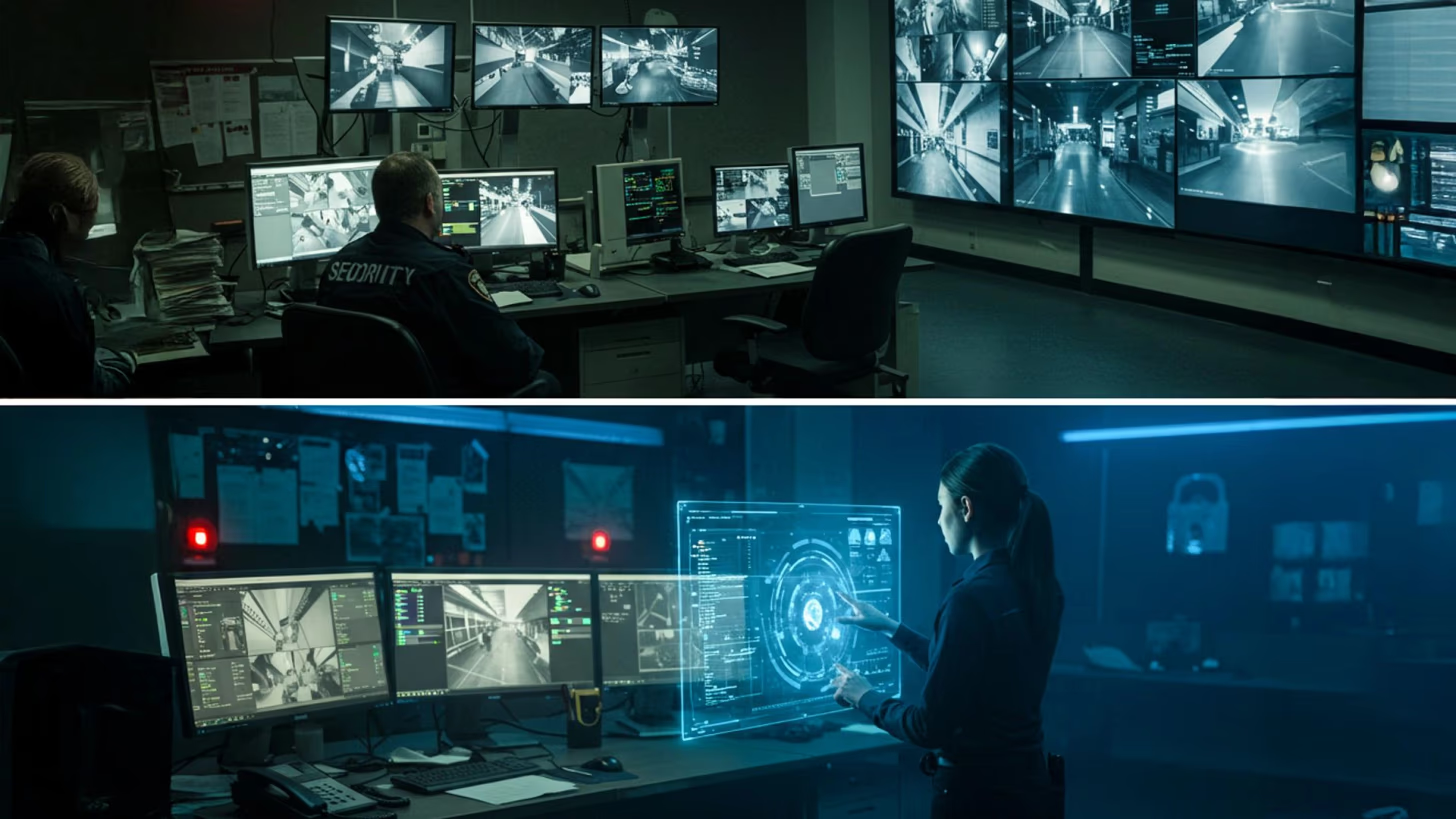
For decades, security operations have followed the same basic model: observe and report. Security teams, armed with an array of sensors—door contacts, motion detectors, and alarms—monitor for signs of unauthorized activity. When something triggers an alert, they assess the situation and respond.
This approach has worked, but it has serious flaws. Traditional sensor-based security systems can tell you when a door opens but not who opened it. They can detect motion but not determine if it’s a threat. These gaps lead to false alarms, delayed responses, and inefficiencies—leaving security teams overwhelmed and struggling to separate real threats from everyday activity.
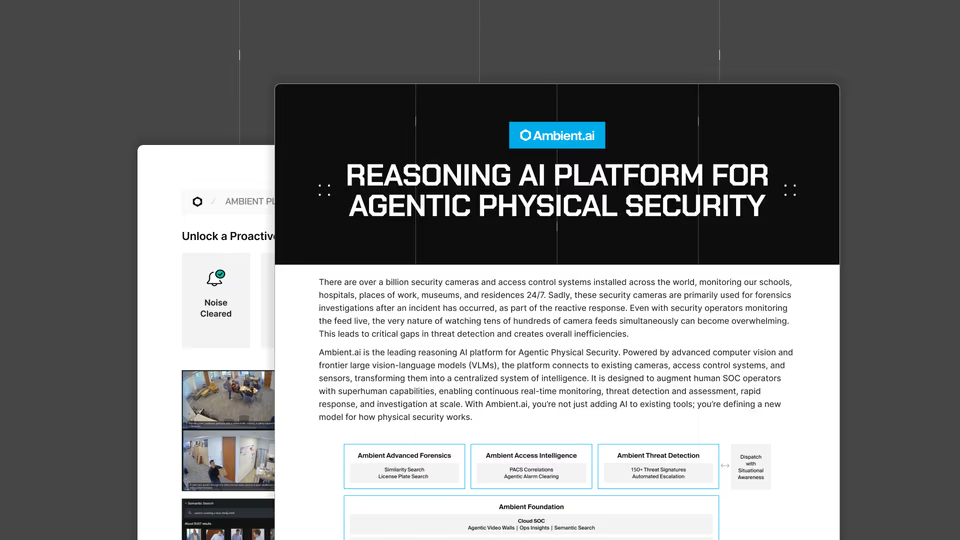
The good news? Security technology is evolving. Today’s advances in AI and computer vision intelligence allow organizations to move beyond passively observing security events and reporting on them toward interpreting situations in real time and acting proactively—or “Interpret and Act”.
The Limitations of Traditional Security Systems
For years, security has relied on basic sensors to detect possible threats. While these tools have been useful, they come with three major limitations:
1. Too Many False Alarms
A traditional sensor doesn’t think—it only detects. A door sensor registers when a door opens, whether it’s an employee arriving for work or an intruder breaking in. A motion sensor picks up movement, whether it’s a cleaning crew or someone attempting unauthorized access.
This lack of intelligence leads to excessive false alarms, wasting valuable time and resources. Security teams often find themselves chasing alerts that turn out to be nothing—making it harder to focus on actual risks.
2. Reactive, Not Proactive
Traditional security operates in hindsight. The system alerts security personnel after an event has already happened. Operators must then sift through data, review footage, and determine whether action is needed.
By the time a real threat is identified, valuable minutes have been lost. In high-risk scenarios—like a security breach or workplace violence—every second counts.
3. No Context, Just Data
A traditional security system provides pieces of information but not the full picture. It tells you a door was opened but not whether the person entering is supposed to be there. It alerts you to movement but doesn’t indicate whether it’s suspicious behavior or routine activity.
Without context, security teams must spend time manually reviewing footage and investigating, slowing response times and increasing operational costs.
A Smarter Approach: Interpret and Act
Security shouldn’t just be about detecting activity—it should be about understanding what’s happening and responding accordingly. That’s where AI-powered security solutions come in.
Rather than simply alerting on sensor triggers, modern security technology can:
Distinguish between real threats and routine activity – AI-powered systems can analyze behavior, reducing false alarms and allowing security teams to focus on real risks.
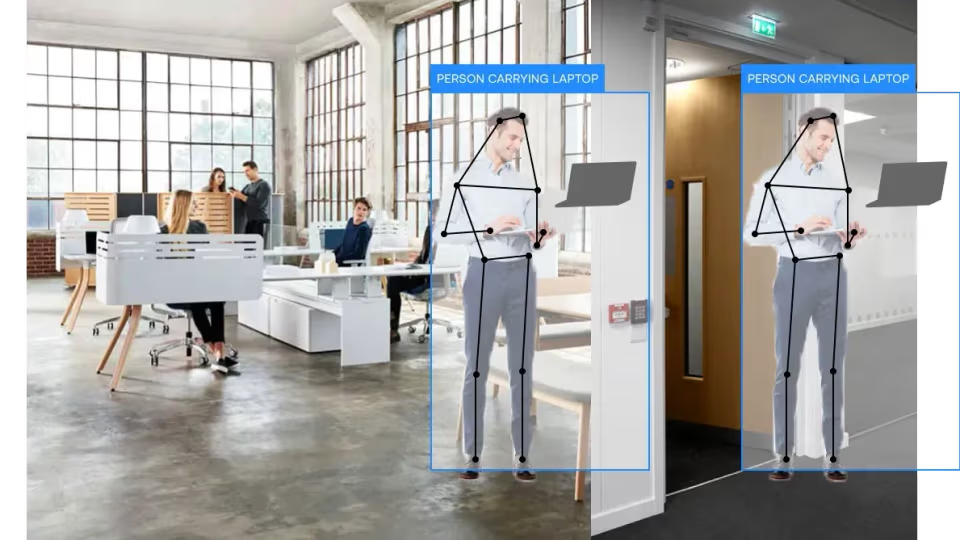
Recognize people and behaviors – Instead of just detecting motion, AI can determine whether someone is moving suspiciously, lingering too long in a restricted area, or displaying threatening behavior.
Provide real-time, actionable insights – AI can instantly assess situations and suggest appropriate responses, rather than requiring manual analysis after the fact.
What This Means for Security Teams
Shifting from “observe and report” to “interpret and act” transforms security operations in three key ways:
Less Noise, More Clarity – Security teams get fewer false alarms and more useful information, allowing them to focus on what truly matters.
Faster Response Times – Instead of wasting time reviewing irrelevant footage or chasing false alarms, teams can act immediately on verified threats.
Proactive, Not Reactive Security – AI-driven security enables teams to prevent incidents before they escalate, rather than responding after the fact.
The Future of Security Is Intelligent Context
For too long, security teams have been stuck in a cycle of reacting to sensor alerts without real understanding, without real context. By adopting AI-powered solutions, organizations can move toward smarter, faster, and more effective security operations.